





What’s included
Included in your package
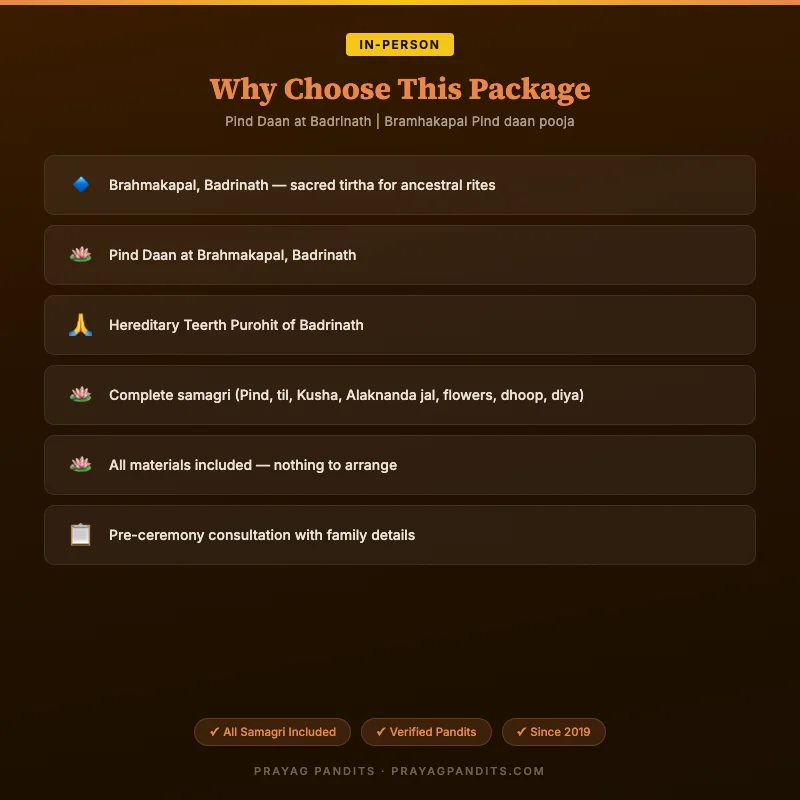
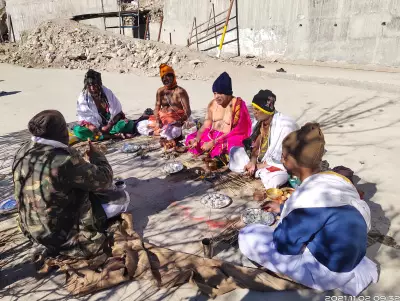
- Pind Daan at Brahmakapal, Badrinath
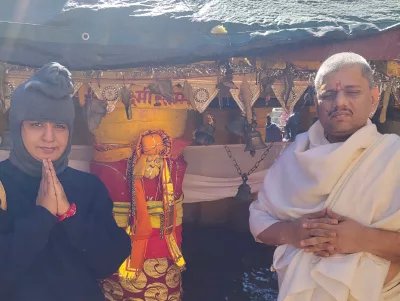
- Hereditary Teerth Purohit of Badrinath
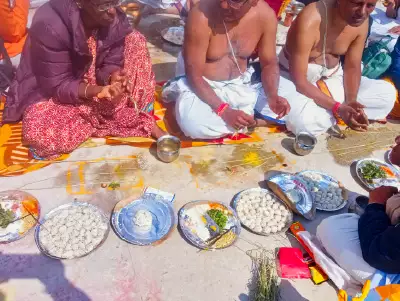
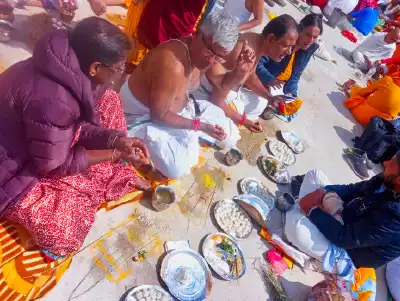
- Complete samagri Pind, til, Kusha, Alaknanda jal, flowers, dhoop, diya
- Sankalp with family name, gotra & ancestor names
- Complete Vedic mantra recitation
- Pre-ceremony guidance
Not included in your package
- Travel to Badrinath
- Accommodation
- Tarpan / additional ceremonies (separate)
- Photography / videography
- Extra Dakshina/Gifts/Donations made to the Priest/Pandit
This is not a Daswa Pind Daan package.
How it works
Choose your pooja
Review your package and any available additions, then add it to your booking.
Share your preferences
Enter your contact details, preferred date and time. Add ancestral details if you wish.
We coordinate with you
Our team confirms the arrangements and shares your coordinator’s details 24 hours before the pooja.
Participate in your pooja
Follow the participation and joining arrangements described in your package and shared by your coordinator.
What families say after the rite
From families who booked Pind Daan at Badrinath | Bramhakapal Pind daan pooja.
Rated 4.8 out of 5
500+ reviews · Prayag Pandits
This poojarated 4.3 out of 519 reviews
Our pandits




- 2,263+ families served
- Serving since 2019
- GST registered
Families on video
The player loads only when you press play.


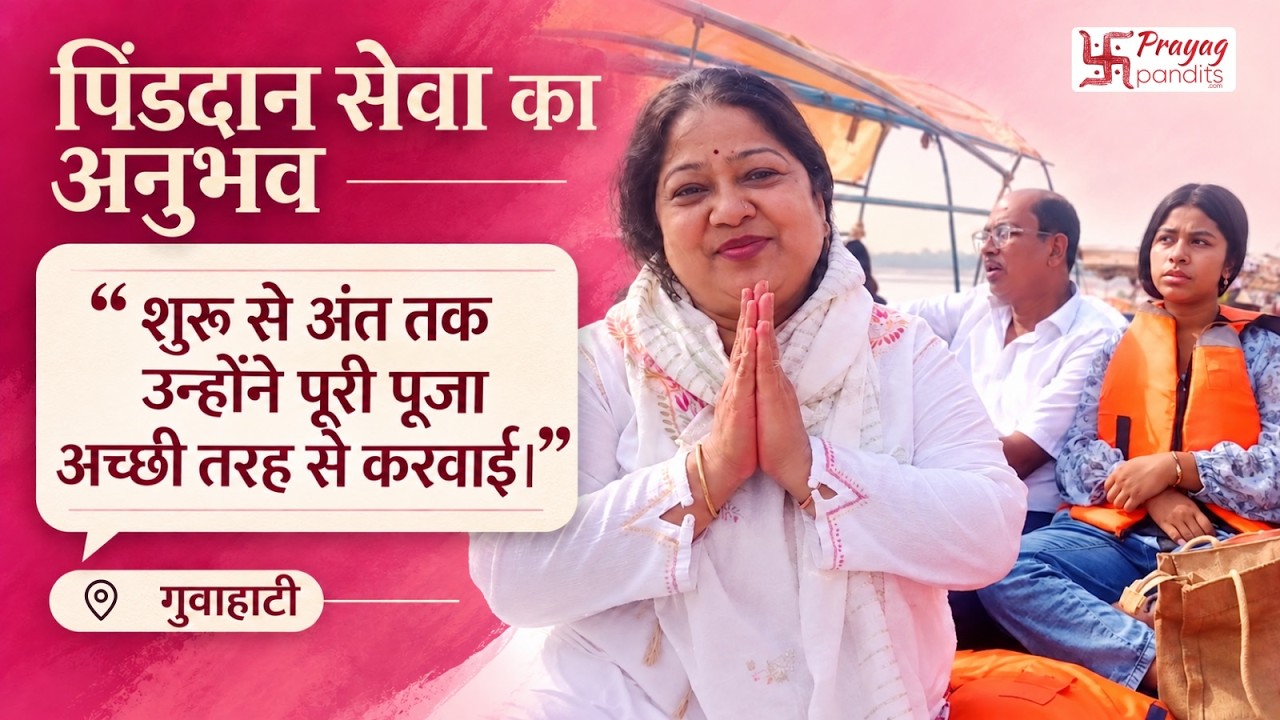

In their words
We are NRI family based in USA. We booked online poojan and it was conducted very sincerely. The video quality was good and we could see everything clearly. The team sent us photos and videos after the ceremony too. Dhanyavaad.
Very authentic Vedic ceremony. All materials were included as promised. Will definitely use their services again.
Smooth experience from start to finish. The live video call gave us peace of mind that everything was done correctly.
First time performing Pind Daan and was nervous about the process. But the team guided us well. They explained what to wear, what to bring, and what mantras to recite. Everything went smoothly.
Outstanding service for Pind Daan. The pandit arrived early, set up everything neatly, and began the ceremony right on time. His pronunciation of Sanskrit shlokas was impeccable. Very authentic experience.
Booked this for my mother-in-law's teerth yatra. The arrangements were perfect from pickup to drop. The pandit performed all mantras correctly and with devotion. The poojan materials were all arranged by them. Very satisfied with the service. Dhanyavaad.
Booked a rite with us? Tell other families how it went.
Write a reviewQuestions families ask
What happens to the Pindas after they are offered at Brahmakapal?
Yes, engaging a local Pandit is essential for performing Pind Daan correctly at Brahmakapal according to Vedic procedures and local customs. They know the specific mantras, rituals, and significance tied to Brahmakapal. Pandits specializing in Shraddha rites are readily available at the Brahmakapal ghat itself and near the Badrinath temple. You can approach them directly or book in advance through pilgrimage service providers, hotel references, or contacts established beforehand.
The Alaknanda River is integral to the sanctity of Pind Daan at Brahmakapal. Originating near Badrinath, its waters are considered holy and purifying. Taking a dip cleanses the devotee before the ritual. Water from the Alaknanda is used in the Pind Daan ceremony itself (for mixing Pindas, for Tarpan). Offering the Pindas into the flowing Alaknanda after the ritual is a common practice, symbolizing the final release and journey of the ancestors.
Yes, Badrinath offers numerous accommodation options very close to the temple and Brahmakapal ghat. These include hotels, guesthouses, Dharamshalas, and ashrams catering to various budgets. Since Brahmakapal is adjacent to the temple, any lodging near the Badrinath temple provides easy access for performing Pind Daan. Booking accommodation well in advance is crucial, especially during the busy Yatra season (May-June, Sep-Oct).
Badrinath Dham is open from approximately late April or early May until November, depending on the year’s auspicious opening date. For Pind Daan specifically, the months of May, June, September, and October are ideal — June through August involves monsoon season with some trail risks. Pitrupaksha (the lunar fortnight dedicated to ancestral rites) is considered especially powerful if it falls within Badrinath’s open season.
Traditional practice calls for abstaining from non-vegetarian food, alcohol, and certain foods for at least one day before performing Pind Daan. A light, sattvic (pure vegetarian) meal on the morning of the ceremony is typically permissible. Your assigned Pandit will give you specific guidance based on your tradition and the nature of the rite.
Yes. Women can and do perform Pind Daan. In many families, daughters are the ones performing the rite for their parents. There are no restrictions at Brahmakapal. The Pandit will guide you on any specific considerations based on your situation.
Yes, Badrinath town has a range of accommodation options from government guesthouses (GMVN) to private hotels. We recommend arriving the evening before your ceremony date to rest after the journey, as Badrinath is at approximately 3,100 metres above sea level and some acclimatisation is beneficial.
Badrinath sometimes faces unexpected closures during the monsoon for short periods due to landslides or extreme weather. We monitor conditions closely and will notify you immediately if there are any disruptions. In such cases, we reschedule at no additional charge or, if preferred, arrange our Online Pind Daan service as an alternative on the same date.
Still have a question?
Ask our team on WhatsApp and we will help you plan the ceremony.
We reply on WhatsApp within 1–2 hours.
Ask a pandit (opens WhatsApp)Know your ceremony
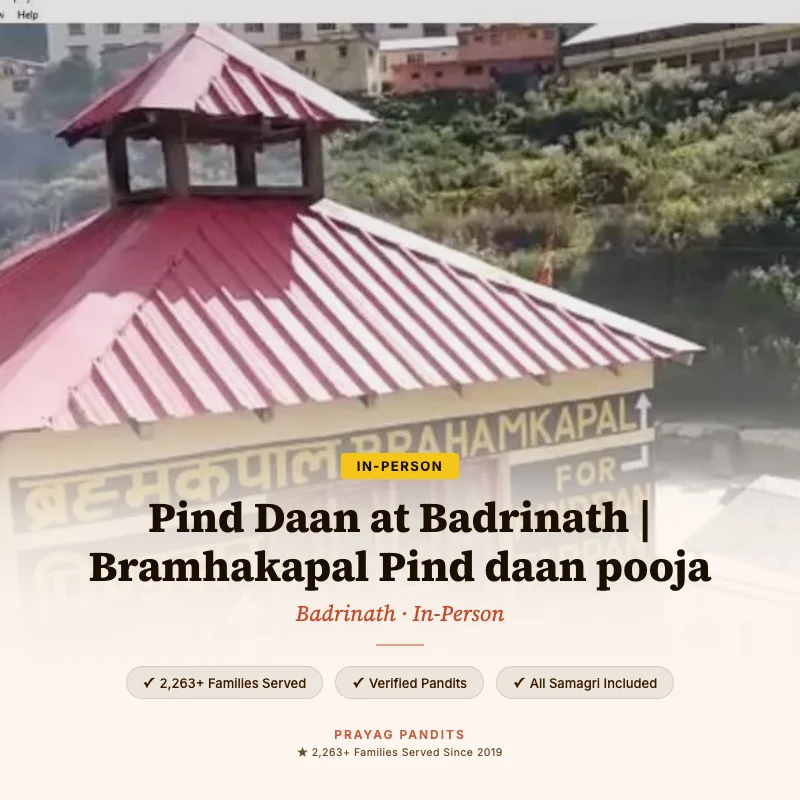
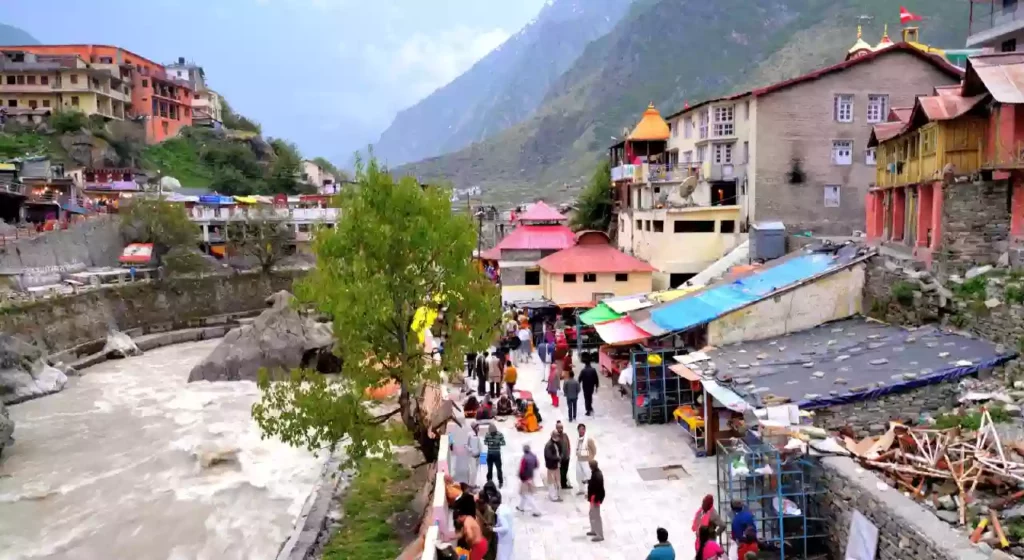
Among all the sacred pilgrimages in the Hindu tradition, Badrinath occupies a place of supreme reverence. It is the abode of Lord Vishnu in his meditative form as Badri Narayan — one of the four Char Dham tirthas that every devout Hindu hopes to visit at least once in a lifetime. And at the edge of this divine abode, on the banks of the Alaknanda river, lies Brahmakapal — the most powerful site for Pind Daan in the entire pilgrimage circuit.
Performing Pind Daan at Brahmakapal, Badrinath is considered the final and most complete act of ancestral rites in the Hindu tradition. Families who have already performed Pind Daan at Prayagraj, Varanasi, or Gaya come to Badrinath to seal the journey — to offer the concluding rite that ensures the departed soul has been completely freed from all karmic bonds and guided toward moksha under the direct blessing of Lord Vishnu.
Our in-person package provides everything your family needs to perform this sacred ceremony with full Vedic authenticity — a qualified Teerth Purohit, all ritual materials, and guidance from arrival through the completion of the rite.
The Garud Puran, which is the primary Vedic text on the journey of the soul after death and the rites that aid that journey, specifically identifies Brahmakapal as a site of extraordinary merit for ancestral offerings. The Purana describes how the soul that has received Pind Daan at this tirtha, within the sacred radius of Badrinath Dham, receives the direct grace of Lord Vishnu — the Preserver and the ultimate liberator of souls caught in the cycle of birth and death.
The Skanda Purana goes further, declaring that Pind Daan at Brahmakapal carries the merit equivalent to performing the rite eight times at Gaya — and Gaya itself is considered the most powerful Pind Daan tirtha in ordinary pilgrimage. This layered potency explains why Brahmakapal holds the final position in the ancestral rites circuit.
The name Brahmakapal itself carries deep mythological significance. According to tradition, it was here that Lord Shiva, having severed Lord Brahma’s fifth head in a moment of cosmic correction, performed his own act of atonement. The place became permanently sanctified by this event — charged with the energy of both divine justice and divine grace. For departed souls, there is no more powerful place to receive their final rites.
For Hindu families who take ancestral rites seriously, the traditional sequence of Pind Daan follows the great pilgrimage circuit:
- Prayagraj (Triveni Sangam): The first and foundational Pind Daan, performed at the confluence of the Ganga, Yamuna, and the invisible Saraswati
- Varanasi (Manikarnika Ghat): Pind Daan in Lord Shiva’s city, where moksha is said to be available to all who die here
- Gaya (Falgu River): The tirtha specifically prescribed by Lord Vishnu himself as a site for ancestral liberation — where Pind Daan is considered supremely efficacious
- Badrinath (Brahmakapal): The concluding rite, performed at the abode of Lord Vishnu, which completes the full circuit and seals the soul’s liberation
Each of these sites adds a dimension to the ancestral offering. But Badrinath, as Lord Vishnu’s own Dham, carries the final benediction. To understand the spiritual significance of Pind Daan across tirthas and why location matters so profoundly, read our complete guide to Pind Daan in Gaya, which explores the Vedic framework for these sacred obligations in depth.
For families visiting Badrinath for the first time, here is a clear picture of how the Pind Daan ceremony unfolds at Brahmakapal:
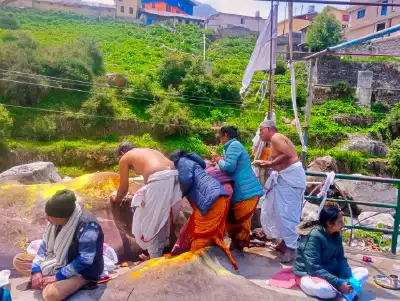
- Arrival and meeting the Pandit: On the day of your ceremony, you will be received by the Teerth Purohit at an agreed meeting point near the Brahmakapal ghat. Our coordinator will have already briefed the Pandit with your family’s details.
- Shuddhi (purification): You will be asked to take a brief ritual bath or at minimum a symbolic sprinkling of Alaknanda jal before the ceremony begins.
- Sankalp: Seated at the ghat, the Pandit leads you in the Sankalp — a formal declaration of your intention, your name, your gotra, and the name and gotra of the departed ancestor for whom the rite is being performed.
- Tarpan: You will offer water mixed with sesame (til) and Kusha grass to the ancestors, guided by the Pandit’s mantras. This is done standing at the edge of the Alaknanda.
- Pind Daan: The central act of the ceremony. The Pandit will have the pind prepared — cooked rice mixed with kala til, honey, and barley. You offer each pind at the ghat with the prescribed mantras. The number of pinds varies by tradition and the specific ancestor being honoured.
- Brahman Dakshina: A symbolic offering of food and a monetary dakshina to the Brahmin priest, representing the feeding of a Brahmin as prescribed in the ancestral rite.
- Closing prayers and blessings: The ceremony concludes with prayers for the departed soul’s moksha, and the Pandit blesses your family for peace, prosperity, and freedom from Pitru Dosh.
The entire ceremony takes approximately 90 minutes to 2 hours. We recommend arriving at Badrinath the evening before to rest and prepare.
This in-person Pind Daan package is ideal for:
- Families completing the full Pind Daan circuit — who have already performed rites at Prayagraj, Varanasi, and Gaya, and now wish to conclude at Badrinath
- Those performing Pind Daan for a parent or senior ancestor — where the family wishes to offer the highest possible merit through the most powerful tirtha
- Devotees of Lord Vishnu — for whom Badrinath holds a personal spiritual significance beyond just ancestral rites
- Families who have recently lost a close relative and wish to perform the first Pind Daan at the most auspicious location available
- Pilgrims who are already planning a Char Dham Yatra and wish to include Brahmakapal Pind Daan as part of their Badrinath visit
If travel to Badrinath is not possible due to health, age, or distance, we also offer Online Pind Daan at Brahmakapal Badrinath — the same authentic ceremony performed by our Teerth Purohit at the ghat while you watch via live video call. Families around the world have found this equally meaningful and fully authentic.
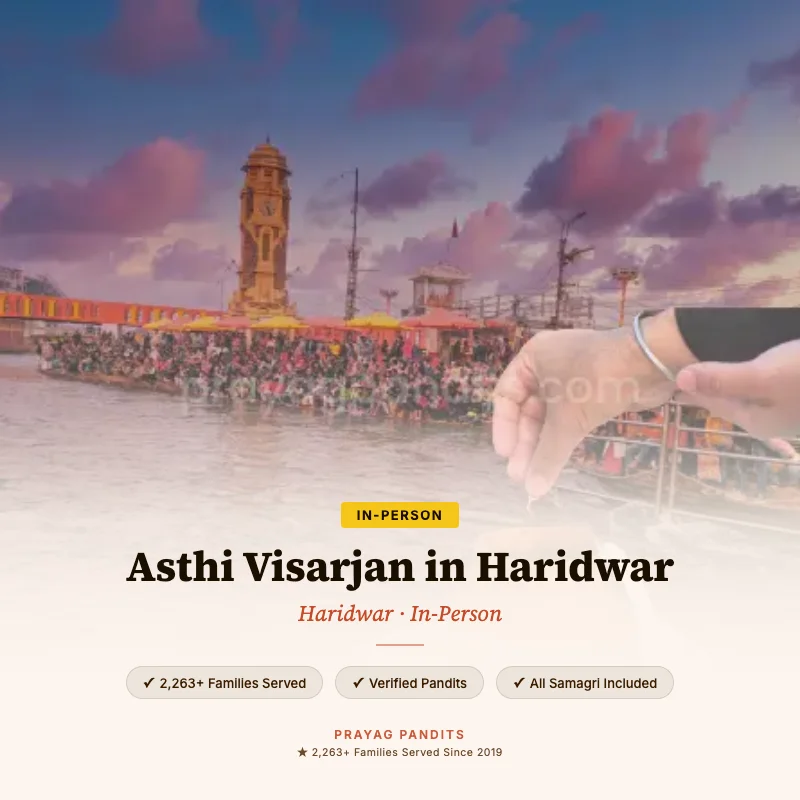
You may also wish to read about Asthi Visarjan — the immersion of the deceased’s ashes in sacred water — which often accompanies or precedes Pind Daan as part of the complete post-death rites. Our team can advise on the correct sequence for your family’s situation.
Badrinath is one of the most remote and logistically demanding pilgrimage sites in India. Getting there requires careful planning, acclimatisation, and local knowledge. We have served families at Brahmakapal for years and understand exactly what you need:
- Local coordination: Our on-ground team at Badrinath handles all logistics so you can focus entirely on the spiritual experience
- Hereditary Teerth Purohits: We work only with priests who have inherited the right to perform Brahmakapal Pind Daan — not general pandits brought in from elsewhere
- No rushed ceremonies: We do not stack multiple families’ ceremonies one after another. Your ritual receives dedicated time and attention.
- Authentic materials: All pind ingredients and ritual items are sourced locally and prepared fresh on the day of the ceremony — never pre-packaged or substituted
- Transparent pricing: No hidden priest fees, no surprise material charges. The package price covers everything.