


What’s included
Included in your package
- Odia Vidhi Ceremony
- Qualified Gayawal Pandit speaks basic Odia
- Pind Daan at Phalgu Area or Vishnupad Area
- Complete samagri black sesame, barley, kusha, rice flour, honey, ghee, flowers, dharbha, diyas
- Pre-ceremony Sankalp with ancestor names
- Travel guidance for Odia pilgrims route help from Odisha
- Local Guidance & Coordination by Pandit/Priest
Not included in your package
- Travel to Gaya (flights / trains)
- Accommodation in Gaya
- Meals
- Photography / videography
- Brahmin Bhojan / Gau Daan (available as add-ons)
- Extra Dakshina/Gifts/Donations made to the Priest/Pandit
This is not a Daswa Pind Daan package.
How it works
Choose your pooja
Review your package and any available additions, then add it to your booking.
Share your preferences
Enter your contact details, preferred date and time. Add ancestral details if you wish.
We coordinate with you
Our team confirms the arrangements and shares your coordinator’s details 24 hours before the pooja.
Participate in your pooja
Follow the participation and joining arrangements described in your package and shared by your coordinator.
What families say after the rite
From families who booked Pind Daan at Gaya for Odia Pilgrims.
Rated 4.8 out of 5
500+ reviews · Prayag Pandits
This poojarated 4.6 out of 516 reviews
Our pandits
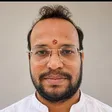
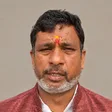
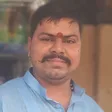

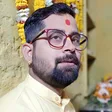
- 2,263+ families served
- Serving since 2019
- GST registered
Families on video
The player loads only when you press play.


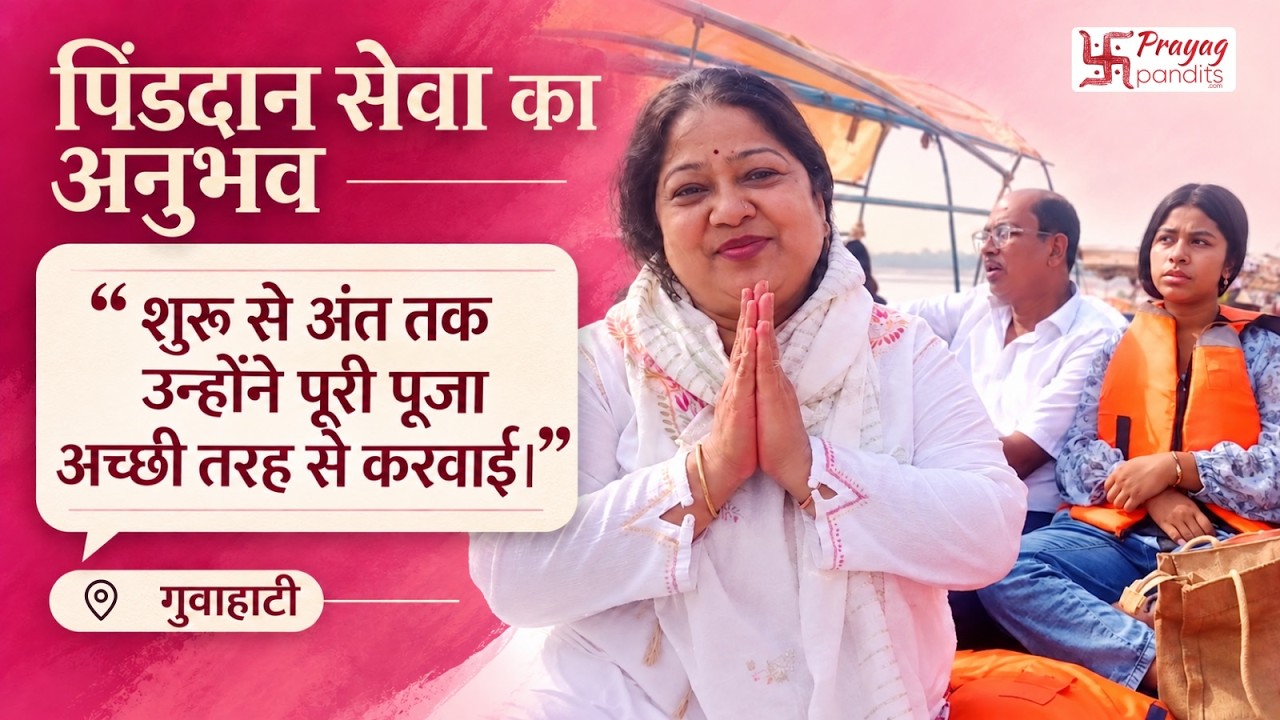
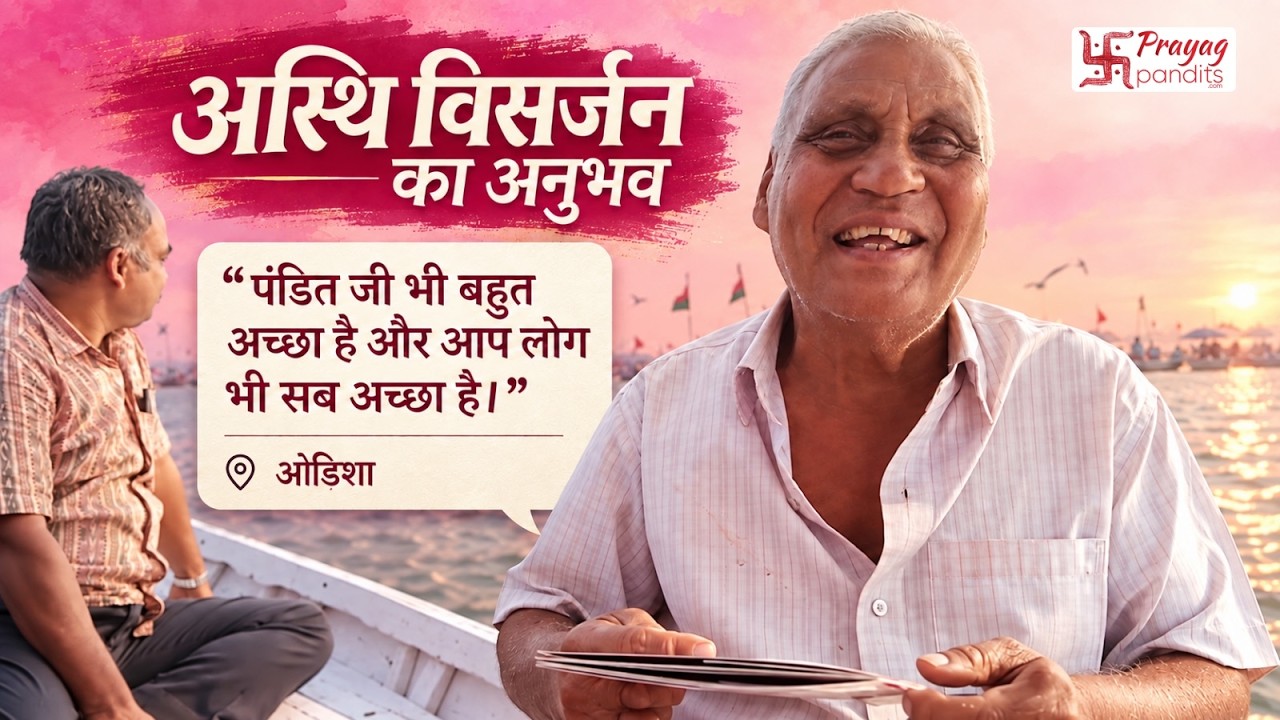
In their words
We had been wanting to perform Pind Daan for years but couldn't travel to India. This online service was a blessing. The entire ritual was done as per shastras. Thank you Prayag Pandits team for your dedication.
पितृपक्ष में पिंडदान करवाया। पूरी व्यवस्था उत्तम थी। पंडित जी समय पर आए और सभी विधि-विधान पूर्ण भक्तिभाव से सम्पन्न करवाए। प्रसाद वितरण भी अच्छा था।
First time booking online for a religious ceremony. Was skeptical but the service exceeded expectations.
बहुत संतोषजनक सेवा। पंडित जी का वेद-शास्त्र का ज्ञान अद्भुत था। उन्होंने गरुड़ पुराण के श्लोकों का पाठ किया जो बहुत मार्मिक था। पूरा परिवार भावुक हो गया। Dhanyavaad.
ऑनलाइन पिंडदान का विकल्प हमारे जैसे NRI परिवारों के लिए वरदान है। वीडियो कॉल पर सब कुछ स्पष्ट दिख रहा था और हम पूजा में भाग ले सके। पंडित जी ने धैर्य से सब कुछ समझाया। Om Shanti.
Good service overall. The pandit was on time and well prepared. He guided us through each step of the ceremony. The booking process was simple and the team was responsive on WhatsApp. Would recommend to others. 🙏
Booked a rite with us? Tell other families how it went.
Write a reviewQuestions families ask
Pind Daan in Gaya involves performing rituals for the peace of ancestors' souls. It's advisable to contact a local priest or pundit who guides you through the process, which includes offering pind (a rice flour and milk mixture) at specific locations. The ritual is detailed and requires adherence to traditional steps, so having a knowledgeable guide is essential.
Gaya is considered one of the most sacred places for performing Pind Daan due to its historical and religious significance in Hindu scriptures. It's believed that performing Pind Daan here ensures the salvation of ancestors' souls, releasing them from the cycle of rebirth and uniting them with the divine.
Pind Daan is a vital Vedic ritual wherein offerings called Pinds (rice balls mixed with sesame, barley flour, honey, and ghee) are given to departed ancestors. The aim is to provide peace and liberation (moksha) to the soul. Gaya Ji in Bihar is mentioned in sacred texts like the Garuda Purana and Vayu Purana as the most powerful tirtha for Pind Daan because it is believed Lord Vishnu Himself granted mukti to demon Gayasura’s soul here. The Vishnupad Mandir—where Lord Vishnu’s footprint is present—is the central site where the rituals are conducted. Offering Pind Daan here is said to free even souls trapped in preta-yoni (ghostly form) or suffering in pitru loka.
According to the Gaya Mahatmya and Padma Purana, Gaya is named after Gayasura, a powerful demon who performed such intense penance that he earned blessings making his body so pure that anyone touching it would attain moksha. The Devas, unable to manage the flow of liberated souls, requested Lord Vishnu to intervene. Lord Vishnu, in a divine act, pressed Gayasura into the earth with His lotus foot, creating the sacred imprint now worshipped at Vishnupad Mandir. Gayasura requested that Gaya become a place where people could offer Pind Daan to liberate their ancestors. Lord Vishnu granted this boon, thus sanctifying Gaya as the most sacred Pitru Kshetra.
While Pind Daan is rooted in Vedic and Hindu dharma, anyone who:
- Believes in the law of karma and rebirth
- Wishes to honor their departed ancestors
- Is ready to follow the ritual discipline and purity can request to perform the rituals under guidance. People of Indian origin abroad, even those with mixed beliefs, often come to Gaya to fulfill their ancestral responsibilities. The sacred laws are universal in spirit and welcome all sincere seekers.
The ritual mantras are conducted in Sanskrit by the Gayawal pandit — this is the traditional and scriptural standard for Pind Daan and Tarpan at Gaya’s vedis. However, your Odia-speaking coordinator accompanies you throughout and explains every mantra, every ritual action, and every stage of the ceremony in Odia in real time. Families who wish to offer personal prayers in Odia at any point during the ceremony are welcome to do so — the coordinator and pandit both accommodate this. This approach gives your family both the Sanskrit ritual authority and the Odia cultural connection.
Many Odia families choose to begin their pilgrimage circuit at Jagannath Puri, seeking Lord Jagannath’s blessings before performing the ancestral rites at Gaya, and then continue to Varanasi or Prayagraj. This is a deeply meaningful circuit and we can help you plan the Gaya portion of it seamlessly. Please contact us in advance with your travel dates and we will coordinate the ceremony timing to fit your broader pilgrimage itinerary.
Not knowing your gotra is more common than families realise, and the shastras provide for this situation. When the gotra is unknown, the prescribed alternative is to perform the Sankalp using “Kashyap gotra” as a default — as Kashyap is considered the primordial rishi from whom all gotras originate. Our Gayawal pandit will handle this automatically and correctly if you inform us in advance. The ceremony is fully valid under this provision.
For Pitrupaksha 2026 (26 September to 10 October), we recommend booking at least 6-8 weeks in advance — ideally by mid-August. Gaya receives an enormous number of pilgrims during Pitrupaksha and Gayawal pandit availability is limited. Accommodation near Vishnupad also fills up quickly. Early booking ensures your family gets the ceremony date and timing that aligns with the correct tithi (lunar date) for your ancestor, rather than having to accept whatever slot remains available.
Yes, and this is one of the great advantages of performing Pind Daan at Gaya — the ceremony can honour multiple ancestors across multiple generations in a single day. The Sankalp covers all the ancestors you wish to include, and the Tarpan and pinda offerings are made separately for each. Whether you are performing Pind Daan for a recently departed parent, a grandparent who passed years ago, or ancestors whose Pind Daan has never been performed — all of these can be included in one comprehensive ceremony at Gaya. Our coordinator will help you prepare the complete list of ancestors before the ceremony begins.
Still have a question?
Ask our team on WhatsApp and we will help you plan the ceremony.
We reply on WhatsApp within 1–2 hours.
Ask a pandit (opens WhatsApp)Know your ceremony
For a family from Odisha, the journey to Gaya for Pind Daan is not merely a trip — it is a completion of a sacred obligation that has been understood across generations. The Odia tradition of ancestral rites is rich, detailed, and in many respects distinct from the customs practised in other parts of India. Odia families have their own way of reciting the Sankalp, their own prayers for the ancestors spoken in the Odia language, and their own understanding of which components of the Gaya circuit hold the most meaning for their lineage. When an Odia family arrives at Gaya for Pind Daan and is received by a pandit who does not understand any of this — who rushes through a generic Sanskrit ceremony without accommodating the family’s specific traditions — the result is a ceremony that may be technically performed but spiritually incomplete. Our Pind Daan at Gaya for Odia Pilgrims package was created to solve exactly this problem. It is a specialised service built around the Odia family’s needs — with Odia-speaking support, cultural understanding of Odia rites, and the full sacred power of the Gaya pilgrimage.
The connection between Odisha and Gaya is ancient and multidimensional. Historically, Odia pilgrims have been travelling to Gaya for Pind Daan for centuries — the route from Puri through Bhubaneswar to Gaya has been a well-worn pilgrimage corridor in eastern India for as long as records exist. The Skanda Purana and Vayu Purana, both sacred texts with significant influence in the Vaishnava traditions of Odisha, describe Gaya’s power for ancestral liberation in detail. Lord Jagannath — the supreme deity of Odisha — has deep cosmological connections with the Vaishnava traditions that also underlie Gaya’s sacred identity as the place where Lord Vishnu’s foot is enshrined.
Many Odia families also observe the strong tradition of performing Pind Daan at Jagannath Puri before completing the rite at Gaya — recognising both as sites of exceptional ancestral merit. The 48 vedis of Gaya, the Falgu River, the Vishnupad Temple, and the sacred Akshayavat are as familiar in the religious imagination of Odisha as they are in the rest of Hindu India. What Odia families often find missing, however, is a service that honours this connection with the practical respect it deserves — a service that provides not just a pandit, but an Odia-speaking coordinator who understands the family’s customs and can bridge the gap between the Gaya kshetra and the Odia tradition.
For a thorough understanding of the Pind Daan ceremony and its scriptural basis, we recommend reading: The Ultimate Guide to Pind Daan in Gaya.
This is not a generic Gaya Pind Daan package with an “Odia option” added as an afterthought. It has been designed from the ground up to serve Odia families:
- Odia-Speaking Coordinator: Your family is accompanied throughout the ceremony by a coordinator who speaks fluent Odia. All explanations, instructions, and guidance during the ceremony are given in Odia so that every family member — including elders who may not be comfortable in Hindi — understands exactly what is happening and why.
- Understanding of Odia Customs: Odia families often have specific traditions around the timing of the Sankalp, the prayers spoken before the pinda offering, and the final rituals of the ceremony. Our coordinator is familiar with these regional customs and communicates them to the Gayawal pandit so that the ceremony respects and accommodates your family’s traditions.
- Qualified Gayawal Pandit: A hereditary Gayawal priest who holds full ritual authority at the vedis of Gaya — including Vishnupad, Pretshila, Falgu, and Akshayavat. The pandit conducts the ceremony in Sanskrit as prescribed, while our Odia coordinator ensures your family follows every step with full understanding.
- Complete Puja Samagri: All materials are included — black sesame, barley flour, kusha grass, gangajal, rice flour for pindas, honey, ghee, flowers, dharbha, incense, diyas, and white cloth. No need to purchase anything locally or carry items from Odisha.
- Tarpan at Falgu River: The sacred water offering made at Falgu following Lord Rama’s own tradition — performed with full mantras for ancestors across the paternal and maternal lines.
- Pind Daan at Principal Vedis: Offering of rice-flour pindas at the key vedis of the Gaya complex with the appropriate Sanskrit mantras, following the correct ritual sequence.
- Brahmin Dakshina: The completion of the ceremony through the formal offering of dakshina in the ancestor’s name, sealing the merit of the ceremony.
- Travel Guidance for Odia Pilgrims: Our team provides guidance on the best route from Odisha to Gaya — including train connections from Bhubaneswar, Cuttack, and Puri — as well as accommodation recommendations near the Vishnupad Temple area that are well-suited for Odia families.
Step 1 — Arrival and Welcome in Odia
Your family is received at Gaya by our Odia-speaking coordinator. There is no confusion about finding us — we coordinate the meeting point clearly in advance, so your family does not need to navigate Gaya on their own. The coordinator gives a complete briefing in Odia about the day’s schedule, what will happen at each location, and what the family members need to do at each stage.
Step 2 — Pitru Snan (Sacred Bath)
The ceremony begins with a ritual bath, traditionally at Brahma Kund or Falgu River, which purifies the yajman (the primary performer of the rite, usually the eldest son or family head) before the ceremony. The coordinator explains the significance of this bath in Odia and assists with access to the bathing area.
Step 3 — Sankalp at Vishnupad
The Gayawal pandit conducts the Sankalp — the formal declaration of intent — at the Vishnupad Temple. In this declaration, the yajman speaks their name, gotra, father’s name, grandfather’s name, and the name and relationship of the ancestor being honoured. The coordinator translates each section into Odia so the entire family understands the significance of what is being said. For families who wish to include Odia-language prayers at this stage, the coordinator facilitates this alongside the Sanskrit Sankalp.
Step 4 — Tarpan at Falgu
The family proceeds to the Falgu River for Pitru Tarpan. The yajman, guided by the pandit and with the coordinator’s Odia explanation alongside each mantra, offers handfuls of water mixed with black sesame and kusha grass to the ancestors across three generations. The coordinator ensures every family member understands which ancestor each Tarpan is dedicated to, and many families find this the most emotionally moving part of the ceremony.
Step 5 — Pind Daan at the Vedis
The family moves through the vedis of the Gaya complex for the pinda offering. The Gayawal pandit leads the mantras; the coordinator explains in Odia what is happening at each stage. The pindas — rice flour balls mixed with sesame, honey, and ghee — are offered with the ancestor’s name and gotra at each vedi. For a deeper understanding of what this offering means and how it works, see our guide: How to Perform Pind Daan Poojan.
Step 6 — Akshayavat and Vishnupad Darshan
The ceremony includes an offering at the Akshayavat — the sacred immortal banyan tree — and darshan at the Vishnupad Temple where pilgrims touch the divine footprint of Lord Vishnu enshrined in rock. The coordinator guides the family through both with explanation in Odia of the significance of each.
Step 7 — Brahmin Dakshina and Completion
The ceremony is sealed with the offering of dakshina to the Gayawal pandit and a brahmin in the ancestor’s name. The coordinator translates the final mantras and the closing prayers for the family, and many families choose to observe a moment of collective prayer in Odia at this stage before departing the complex.
- Odia families from any district of Odisha — Bhubaneswar, Cuttack, Puri, Berhampur, Sambalpur, Rourkela, Kendrapara, Balasore, and beyond — who wish to perform Pind Daan at Gaya
- Families who have elders accompanying them who are more comfortable receiving guidance in Odia than in Hindi
- Odia families performing Pind Daan for the first time who need the complete ceremony explained in a language they are fully comfortable with
- Families who are particular about their regional customs and traditions being respected within the Gaya ceremony
- Odia pilgrim groups — including families travelling together from Puri, Bhubaneswar, or other cities — who want a coordinated multi-family ceremony with Odia-language support throughout
- NRI Odia families visiting India specifically to perform this rite and who need reliable end-to-end coordination
Gaya is well-connected to Odisha by rail. Key train connections include the Puri-Patna Express, the Bhubaneswar-Patna Express, and the Howrah-Gaya Express. Direct trains connect Bhubaneswar to Gaya in approximately 10-12 hours; trains from Puri to Gaya via Bhubaneswar are a common choice for families starting their journey from the Jagannath Temple town. For families combining the Gaya Pind Daan with visits to Varanasi (Kashi) or Prayagraj as part of a broader pilgrimage circuit, rail connectivity is excellent throughout this corridor.
Our team can provide accommodation recommendations near the Vishnupad Temple area that cater to Odia families — including dharamshalas that serve Odia food and have facilities for the dietary observances maintained during the Shradh period. For pricing details across our Gaya services, see: Gaya Pind Daan Cost — A Complete Guide.
We know that when an Odia family decides to travel to Gaya for Pind Daan, it is often after years — sometimes decades — of planning and intention. The journey represents the fulfilment of a family’s deepest duty to its ancestors. The last thing such a family needs is to arrive at Gaya and find themselves in the hands of a pandit who cannot understand their traditions or a ceremony that feels rushed, transactional, and disconnected from the spiritual weight of the moment.
Prayag Pandits was built on the recognition that pilgrims from different parts of India bring different traditions, different languages, and different depths of connection to these rites. Our Odia pilgrims package honours that recognition concretely. We have worked with Odia families from across the state and from the Odia diaspora abroad. We understand the specific emotional significance of this ceremony for Odia families, the customs that matter most, and the support that makes the difference between a ceremony that is merely performed and one that is truly felt.
Every Gayawal pandit we work with has been personally verified for lineage, ritual knowledge, and respectful conduct with pilgrims. Our Odia-speaking coordinators are not translators alone — they are culturally knowledgeable guides who have accompanied dozens of Odia families through this ceremony and who know how to make each family feel that their traditions are being honoured with full seriousness.
ଆମ ପଣ୍ଡିତ ଓ ସଂଯୋଜକ ଧାରାପ୍ରବାହ ଭାବରେ ଓଡ଼ିଆ ଭାଷାରେ କଥା ହୁଅନ୍ତି। ଗୟାରେ ସଂକଳ୍ପ ପାଠ, ତର୍ପଣ ଓ ପିଣ୍ଡ ଦାନ ର ପ୍ରତ୍ୟେକ ପଦକ୍ଷେପ ଆପଣ ଙ୍କ ଭାଷାରେ ବ୍ୟାଖ୍ୟା କରାଯାଏ। ଉତ୍କଳ ବ୍ରାହ୍ମଣ ଶ୍ରାଦ୍ଧ ପଦ୍ଧତି ଅନୁଯାୟୀ ଆପଣ ଙ୍କ ପରିବାରର ଗୋତ୍ର ଓ ପୂର୍ବପୁରୁଷ ଙ୍କ ନାମ ଓଡ଼ିଆ ଉଚ୍ଚାରଣ ପରମ୍ପରାରେ ସଂକଳ୍ପ ରେ ଅନ୍ତର୍ଭୁକ୍ତ ହୁଏ।
Our coordinator and pandit speak fluent Odia. The Utkala Brahmin Shraddha Paddhati governs every step — the Sankalp uses your family’s gotra in the Odia pronunciation tradition, and all explanations during the Gaya circuit are given in Odia so elderly family members can follow and participate fully. For the complete background on Odia ancestral customs and how they align with the Gaya rites, read our Odia Shraddha Paddhati guide.
Odia families travelling to Gaya for Pind Daan may also wish to combine their pilgrimage with a visit to Prayagraj for Tarpan at Triveni Sangam. Our Oriya-speaking pandits in Prayagraj page covers the full range of Pitr Karma services available at the Sangam for Odia pilgrims.