
Where to Perform Shradh and Pind Daan: Five Tirthas Compared
Prayag Pandits performs ancestral rites at Prayagraj, Gaya, Varanasi and Haridwar, and arranges Brahma Kapal at Badrinath seasonally. Tell us on WhatsApp which rite you need and where you are travelling from, and a pandit will say which site makes sense — including when the nearest one is the right answer.
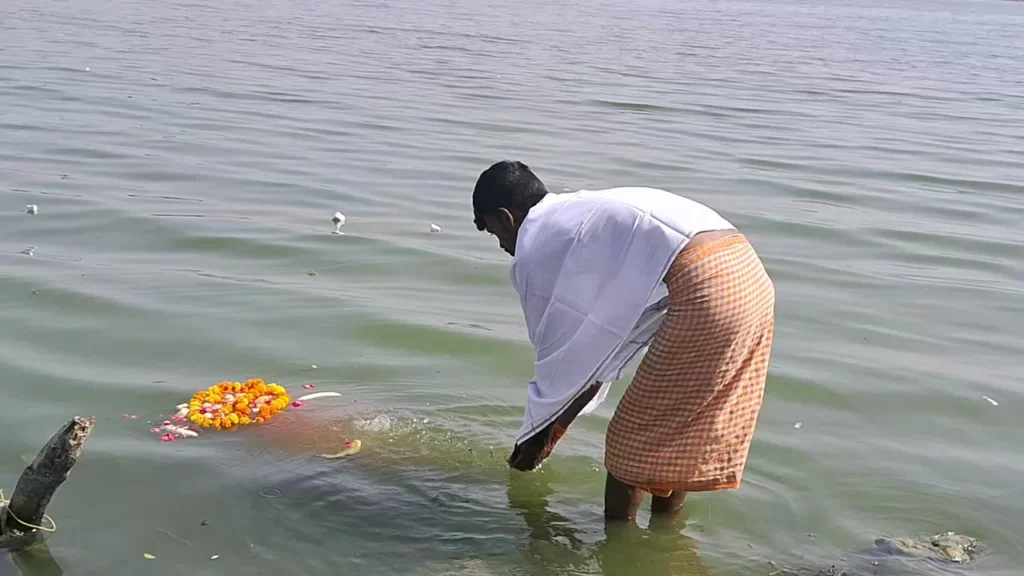
The Dharmashastra does not treat ancestral rites as equally effective everywhere. Certain places are singled out — tirtha shradh is the term for the rite performed at one — and the texts are specific about which and about what each is for. This page compares the five that matter, and says plainly which rite belongs at which.
The five sites, and what each is for
| Site | Best for | What the tradition says, and the practical position |
|---|---|---|
| Prayagraj, Triveni Sangam | Everything | Tirtharaj, the king of tirthas. The confluence of the Ganga, Yamuna and Saraswati, and the most accessible of the five by rail and air. Where most families go |
| Gaya, Vishnupad | Pind daan | The oldest ground for this rite specifically. Offerings here are held to reach generations rather than one named ancestor — the choice for a family making one journey in a lifetime |
| Varanasi, the Ganga ghats | Asthi visarjan | Kashi, where the tradition holds that dying or being cremated grants liberation. Families combine immersion with pind daan here |
| Haridwar, Har Ki Pauri | Convenience | Where the Ganga reaches the plains. Full scriptural standing, and the easiest of the five from Delhi |
| Badrinath, Brahma Kapal | A final rite | On the Alaknanda beside the temple. The tradition holds the rite need not be repeated after it. Seasonal — the shrine closes for winter |
The honest summary: for most families any of the first four will do, and the deciding factors are travel, time and what else is being performed on the trip. Gaya and Brahma Kapal are the two with a distinct claim rather than a general one.
Why place is held to matter at all
The reasoning the texts give is about the water and the accumulated practice: a confluence outranks a single river, a sacred river outranks an ordinary one, and a site where the rite has been performed continuously for a very long time is held to carry that. The Prayaga Mahatmya in the Matsya Purana makes the strongest version of the claim for Prayagraj — that shradh there counts for many times the same rite elsewhere.
It is worth holding that alongside the other thing the tradition says, which is that the rites belong at home too. The annual shradh, the monthly masika, tarpan — all of these are ordinarily kept in the house, and nobody is expected to travel for them. A tirtha is for the rites done once: see which rites can be performed at home for the split.
What we perform, and where
| Rite | From | Where we perform it |
|---|---|---|
| Asthi visarjan | ₹5,100 | Prayagraj, Varanasi, Haridwar, Gaya. First, where the ashes are outstanding |
| Pind daan | ₹7,100 | Prayagraj, Gaya, Varanasi, Haridwar, Ayodhya, Badrinath |
| Tarpan | ₹5,100 | All sites. The lightest, and the one that continues afterwards |
| Narayan Bali | ₹31,000 | Prayagraj, Haridwar, Gaya, Varanasi. Only for an unnatural death |
| Tripindi shradh | ₹21,000 | Prayagraj, Varanasi, Gaya. Only where shradh has lapsed three years or more |
Families doing several of these usually do them on one trip rather than returning, and we will sequence them for you. For the fortnight’s dates see the Pitru Paksha guide, and for planning around the seasons rather than the calendar, the pilgrimage seasons guide.
Keep reading


Blog
10 min read
Barsi: The Hindu First Death Anniversary, and When It Falls
Book Your Sacred Ritual
Authentic ceremonies performed by Veda-trained pandits at sacred sites across India.
- Clear package details before you book
- The ceremony in the language you choose
- 2,263+ families served
- Serving since 2019
- GST registered