
Akal Mrityu in Hinduism: What Happens to the Soul After a Sudden Death
Prayag Pandits has arranged Narayan Bali and ancestral rites at Prayagraj, Gaya, Haridwar and Varanasi for more than two decades. Prices are fixed before you travel and there are no ghat-side demands. Send us the circumstances of the death on WhatsApp and a pandit replies the same day.

Akal mrityu means a death that comes before the life span a person was born with has run out — an accident, a drowning, a suicide, an illness that took someone young. The Garuda Purana treats such a death as more than a tragedy: it holds that the soul cannot complete the ordinary journey after death, and it prescribes one rite, Narayan Bali, to set that journey back in motion. This guide explains what the text says, and what a family can actually do.
Contents
- What akal mrityu means
- Why it is believed to happen
- Which deaths the tradition counts
- What happens to the soul
- After a death by suicide
- The signs the text calls arishta
- Narayan Bali, the rite prescribed
- The other rites a family may need
- Where it is performed, and what it costs
- What to do now
- Questions families ask
What akal mrityu means
The word joins akala, out of proper time, with mrityu, death. In everyday Hindi it covers any premature or sudden death. In the Garuda Purana it carries a narrower sense that is worth understanding, because the rites that follow depend on it.
The tradition holds that each person is born with an ordained measure of years — niyata ayus — shaped by the karma carried from earlier births. The Vedic ideal is a hundred years; individual karma moves the figure up or down, so everyone arrives with their own number. Death at the end of that number is kaal mrityu, death in its proper time, and the texts describe it as orderly: the body is used up, the soul is ready, the transition happens as it should.
Death before that number is reached is akal mrityu, whatever the cause. The soul has been separated from the body while the body’s term was still running, and the Garuda Purana treats that as a disruption rather than a neutral event. Its chapters on the subject — the Pretakalpa, the portion of the text concerned with the state of the dead — set out both the consequence and the remedy.
Why it is believed to happen
The texts give a karmic answer: the ordained span can be shortened, and the Garuda Purana attributes the shortening to conduct — neglect of duty, abandonment of right action, a life lived against the grain of dharma. Read plainly, it is a moral exhortation addressed to the living about how to live, in the idiom of its own time.
It is worth saying clearly what that does not mean, because families turn it on themselves and on the person they have lost. It does not mean a young person who died in a road accident deserved it. It does not mean a death by illness is a verdict on anyone’s character. Our pandits do not read a death backwards into a judgement about the person, and a family should not be invited to either. The practical use of the teaching is forward-facing: the rites exist because the tradition held that something can still be done, and that is the part worth acting on.
The older strata of the text also assign causes by varna, setting out separately how a brahmin or a kshatriya shortens his life. We do not carry that forward and no pandit of ours will apply it.
Which deaths the tradition counts
Alongside akal mrityu the text uses the word durmaran — a hard or bad death, meaning one that comes through violence, accident or circumstances outside the ordinary course of a life. All durmaran is akal mrityu; not all akal mrityu is durmaran, since a child who dies of illness has died untimely without dying violently. The categories the text names most often are these.
- By weapon (shastra mrityu) — a blade, a projectile, and in modern terms a firearm. Death in an assault or a killing falls here.
- By fire (agni mrityu) — a house fire, a building collapse, an industrial accident, fatal burns.
- By drowning (jala mrityu) — a river, a well, a tank, a pool, a flood. There is an exception the text makes for drowning at a sacred tirtha at a sacred time, which it treats quite differently.
- By poison (visha mrityu) — administered or accidentally taken, which in modern terms covers overdose and poisoning.
- By lightning or natural force — lightning, earthquake, landslide, flood: the soul separated by a force it could not anticipate.
- By snakebite or animal attack — a venomous bite, or a wild or horned animal.
- By curse or malefic rite (abhichara mrityu) — a category the text names for deaths a family attributes to deliberate occult harm. The text classifies it; it is not a medical explanation of a death, and a pandit will not treat a family’s suspicion as established fact.
- By suicide (atma hatya) — listed among these, and given its own rules, which the next section covers.
- Where the last rites could not be done — a body never recovered, a death far from home, a death in circumstances that made antyeshti impossible at the time.
Our own list of the situations that call for Narayan Bali adds one the text does not emphasise: the death of a child before the chudakarana samskara, at around two years. If you are unsure whether a death in your family falls into any of these, the practical answer is in the short answer on which deaths count, or tell us the circumstances and a pandit will say.
Is a heart attack akal mrityu? It depends on who it took, and this is the question families ask most often about a modern death. The categories above describe deaths that arrive by force or accident; a fatal illness sits outside them. What decides it in practice is whether the span looks complete. A sudden cardiac death in someone in their thirties or forties is ordinarily treated as akal mrityu, and we arrange the rites on that basis. The same event at eighty-five, at the end of a full life, is kaal mrityu and calls for the ordinary death rites and shradh, not for Narayan Bali. Where it falls in between, tell a pandit the age and the circumstances and let him say — it is a short conversation and it decides a ritual costing tens of thousands of rupees.
What happens to the soul
After a death in its proper time, the text describes an orderly sequence. The prana leaves the body; the soul in its subtle body is met by Yama’s messengers and escorted through the death passage; it crosses the Vaitarni and comes before Yama, where its karma is reviewed and its next destination assigned. The thirteen days of rites the family performs, ending in sapindikarana, are what support the soul through each stage of that passage.
The tradition names two destinations, and the distinction is the whole of the matter. Pitra Loka is the realm of the ancestors, where a soul that has been carried properly through its rites arrives and from which it can move on. Preta Yoni — literally the condition or womb of the preta — is the other: the state of a soul that could not make the passage and remains, in the texts’ description, hungry, thirsty, confused and bound to the places and people it knew. Pret yoni is not a place of punishment. It is a description of being stuck.
After akal mrityu the text says the sequence does not start. The soul is not claimed in the ordinary way; instead it remains in antariksha, the atmospheric space between the earth and the realms above it. It is described as aware — able to perceive the living, often sharply — but unable to act, unable to finish what it left unfinished, and unable to move on. Every soul passes briefly through this preta condition after death, and the thirteen-day rites are what carry it out of it. For a soul of akal mrityu, the texts hold that the condition persists.
This is the point that matters practically for a family. The tradition teaches that offerings made for a soul in antariksha — the pinda, the water of tarpan, the food of shradh — do not reach it; they are dispersed before arrival, because the channel that normally carries them does not run to that place. It is the reason families who have performed shradh faithfully for years after a sudden death still often say something feels unfinished. The rite that opens the channel is Narayan Bali, and the fuller answer is set out in whether ordinary shradh can help a soul that died by akal mrityu.
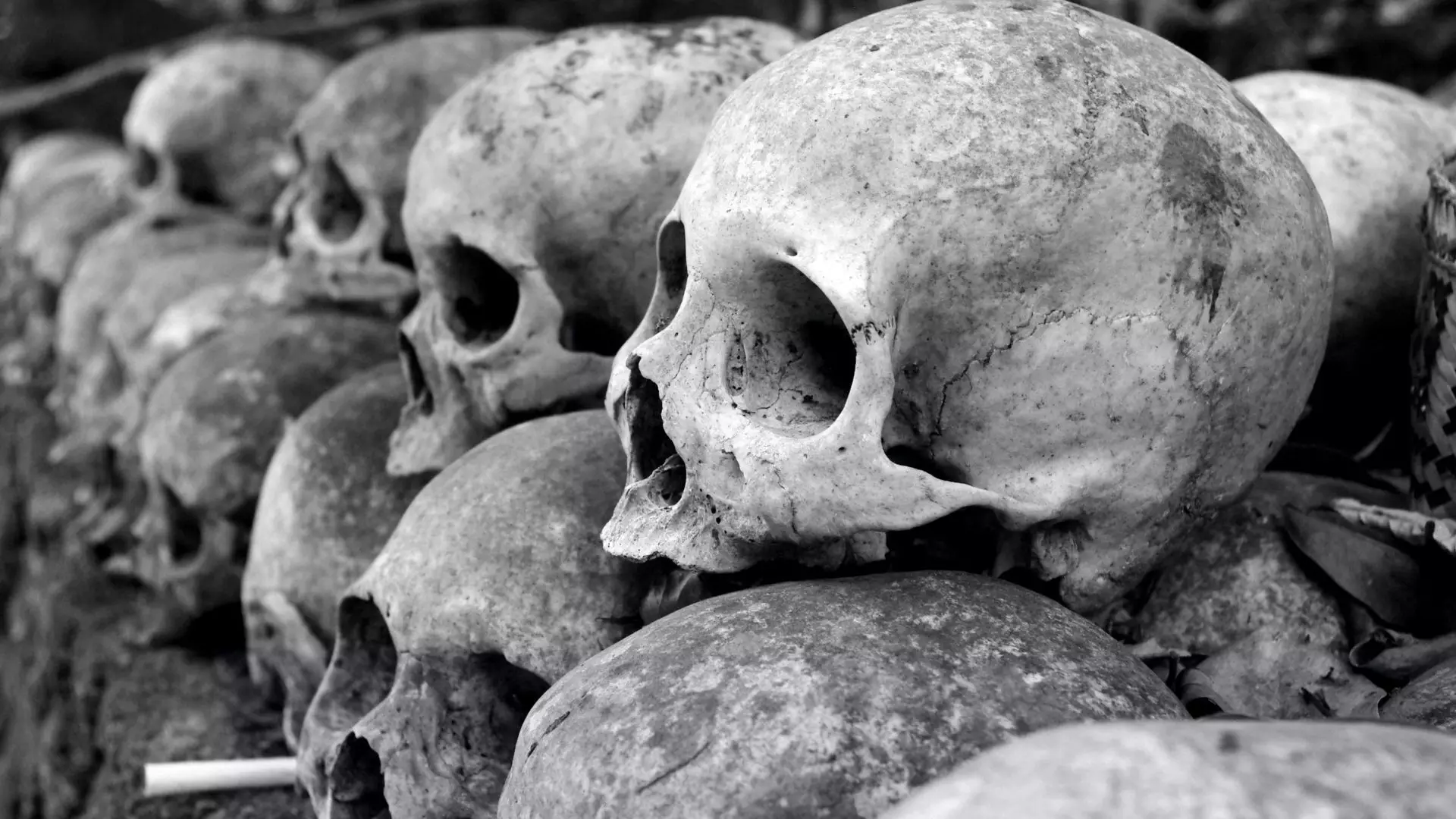
After a death by suicide
More people arrive at this page asking what happens to the soul after a suicide than for any other reason, so it deserves a direct answer rather than a careful one.
Our position, and the position of the pandits who perform these rites for us, is that a death by suicide calls for the same compassion as any other and for the full remedial rite. We perform Narayan Bali for these families. We advise them to keep Chaturdashi Shradh, and the Dharmashastra tradition includes those who died this way in that observance explicitly. Nothing in what follows should be read as a reason to withhold grief or rites from someone you loved.
What the classical text itself says is harder, and families who go looking will find it, so it is better said here plainly. The Garuda Purana places suicide among the durmaran deaths. In the older translations it goes further and withholds the standard observances: it says the death should not be mourned in the ordinary form and that the water rites, udakakriya, are not to be performed. Some traditions also set aside the usual period of ritual impurity, ashaucha, for this category.
Those lines are in the text. They are also close to two thousand years old, and contemporary practice has not followed them for a long time — our own pandits do not, and almost no officiating pandit in Prayagraj or Gaya will tell a family not to mourn. What the same text does provide is the remedy, and it places it in the family’s hands: Narayan Bali, performed by the sons or the nearest sapindas, is what it prescribes for exactly this situation. The scripture’s answer to a suicide is a rite to perform, not a verdict to carry. A longer answer is in what happens after a suicidal death according to Hindu scripture.
If you are carrying guilt about a death in your family, you are not the first to sit across from a pandit and ask whether it was your fault. Talk to us about the rites. There is something you can do, and doing it helps.
The signs the text calls arishta
A good number of readers come here searching for the signs the Garuda Purana gives of an approaching death — arishta in Sanskrit. The text does list them, and so do the older medical and Jain and Buddhist compilations: changes in the shadow or a shadow that no longer falls, no reflection in oil or water, a failing of sight and hearing, sudden thinning or swelling, a change in bodily odour, certain dreams, and celestial omens such as stars seen by day or lightning from a clear sky.
What the tradition does with that list matters more than the list. Arishta is set out for the dying person’s own sake — as a prompt to settle affairs, make amends and turn the mind towards what comes next while there is still time. It is contemplative, not predictive. It was never intended as a diagnostic checklist for an anxious reader, and the signs it names are, in modern terms, the ordinary appearance of serious illness.
Narayan Bali, the rite prescribed
Narayan Bali is the rite the Garuda Purana sets against akal mrityu, and the text devotes a chapter to it. It is performed in two joined parts and takes three days.
On the first day come the preparatory rites and the sankalpa, the declaration of what is being done and for whom. On the second a symbolic cremation is performed: an effigy of the departed is made from darbha grass or wheat flour, and the full antyeshti sequence — the funeral rites that were impossible or incomplete when the death happened — is enacted upon it. The reasoning is that the soul still requires those rites even though the body is gone, and the effigy stands in for the body. On the third day pind daan is offered and Narayan is invoked for the soul’s release.
Five kalashas are established for Brahma, Vishnu, Rudra, Yama and the preta, and five qualified Brahmins recite the five corresponding suktas. That structure is the reason the rite cannot be shortened into a home puja or performed by a single pandit — the detail is in the five suktas recited during Narayan Bali. The second part, Nagbali, addresses a serpent killed in the family line where that applies, and clears the pitra dosh arising from it.
On timing, the text names the eleventh day after the death, the ekadasha. Most families never hear of Narayan Bali in those eleven days, because nobody mentions it in the week after an accident. That is not a door closing. The rite is performed at any distance from the death, and we arrange it regularly for ancestors who died generations ago and whose circumstances a family has only recently pieced together — see whether it is still required after many years. It is not restricted to Pitru Paksha either, though Pitru Paksha is the strongest window for every ancestral rite.
The other rites a family may need
Narayan Bali is the rite aimed at the untimely death itself, but it is rarely the only thing a family is owed. Three others come up constantly alongside it, and which of them apply depends on what was and was not done at the time of the death. A pandit will work this out with you in one conversation; the table is so that you know what is being talked about.
| Rite | From | When it applies |
|---|---|---|
| Narayan Bali | ₹31,000 | The rite for the untimely death itself. Everything on this page is about it |
| Asthi Visarjan | ₹5,100 | Where the ashes were never immersed in a sacred river. This comes first — it completes the physical half of the last rites, and the other ceremonies assume it is done |
| Pind Daan | ₹7,100 | The offering that sustains the soul as an ancestor. After Narayan Bali it works normally again, and it is what you continue with each year |
| Tripindi Shradh | ₹21,000 | Where annual shradh has been missed for three years or more, which happens often after a traumatic death disrupts a family’s observances |
Prices are for Prayagraj and are what we charge; the other tirthas differ and each rite’s own page gives its figures. Families doing several of these usually do them on one trip rather than returning, and a pandit will sequence them for you — asthi visarjan first where it is outstanding, then Narayan Bali, then pind daan.
Where it is performed, and what it costs
Narayan Bali needs a place where the full three-day sequence is established practice and where five qualified Brahmins can be assembled. These are the places we perform it, with what the complete ceremony costs during the current season. Each price covers the pandits, all samagri, the havan materials, Brahmin bhoj, dakshina, ghat booking and the written record. Nothing is added during the ceremony.
| Where | From | Who performs it, and what it suits |
|---|---|---|
| Prayagraj, at the Sangam | ₹31,000 | Our own pandits, at the confluence. The most accessible of the four by rail and air, and where most families go |
| Gaya, at Vishnupad | ₹35,000 | Our own pandits. The traditional ground for all pitru karma, and the choice where pind daan is being done on the same trip |
| Haridwar, at Har Ki Pauri | ₹31,000 | Our own pandits, where the Ganga reaches the plains. Easiest from Delhi |
| Varanasi, at Pishach Mochan | ₹25,000 | Our own pandits. Pishach Mochan is the kund specifically associated with releasing trapped souls |
| Online, from any of these | ₹35,000 | Our pandits perform all three days on your behalf and you join by video for the sankalpa. A day-by-day report, photographs and couriered prasad follow |
| Trimbakeshwar | ₹6,500 | The resident Guruji families, not us — we guide you to them. Their fee covers the priest and materials only, so budget separately for travel and three nights’ stay |
Trimbakeshwar carries the strongest scriptural claim for the combined Narayan Nagbali and its priest fee is the lowest figure on that table by a wide margin, which is worth knowing. Read it as a different kind of arrangement rather than a cheaper one: there you book a Guruji family directly and organise your own travel and stay in Nashik, and the ₹6,500 to ₹11,000 they charge is for the rite alone. Our figures are the whole thing, settled before you leave home.
What to do now
If a death in your family was sudden, violent, by suicide, or left the last rites undone, the sequence is short.
- Tell a pandit the circumstances. The date, the cause, the age, whether antyeshti was performed, and whether a serpent was ever killed in the family line. Those answers decide whether the rite is Narayan Bali alone or Narayan Nagbali, and they are the only things that decide it.
- Pick the place by travel, not by claim. All four of ours carry full scriptural sanction for Narayan Bali. Choose on what you can reach and how many days you have, and if you cannot travel at all, the online ceremony is the same three days.
- Allow two to three weeks’ notice, and a month for Pitru Paksha, so five Brahmins can be held for three consecutive days.
- Carry on with the ordinary rites afterwards. Once Narayan Bali is done the tradition holds the channel is open, so annual shradh, pind daan in Pitru Paksha and monthly tarpan reach the soul as they would for any ancestor.
The Chaturdashi entry on the shradh dates calendar carries the tithi and the days either side of it.
Families often ask whether an unresolved death of this kind is what sits behind a Kaal Sarp Dosh or a pitra dosh reading in a later generation’s chart. The jyotisha tradition does connect the two, and where both are present our pandits will address the ancestral side first rather than the planetary one alone. For the wider picture of what the Dharmashastra asks of a family after any death, see the guide to Hindu death rituals; families outside India should start at NRI puja services, which sets out how the remote arrangements work.
Keep reading

Garuda Purana
7 min read
Panchak: What It Is, the Five Types, and What a Death During It Means
Garuda Purana
11 min read
Triveni Sangam, Prayagraj: The Three Rivers and Their Story

Garuda Purana
4 min read
Daan in Hinduism: The Forms, the Three Modes, and When Each Applies


Questions families ask
Akal Mrityu is death that occurs before a person's divinely ordained life span (niyata ayus) is complete. The Garuda Purana teaches that every soul arrives in a human body with a predetermined number of years written by Brahma at birth (Brahma Likhit). When death occurs before this span is fulfilled through accident, violence, suicide, drowning, fire, poison, or any other unnatural cause, that death is classified as Akal Mrityu. The soul departs before completing its karmic obligations and finds itself unable to transition normally through the post-death journey.
The Garuda Purana classifies suicide as a form of Durmaran (unnatural death). The soul of a person who died by suicide becomes trapped in Antariksha (atmospheric space) and cannot complete the normal post-death journey. The scripture modifies certain standard rites: the family is not required to observe the standard Ashaucha period, and standard water rites (Udakakriya) are not performed. The Garuda Purana prescribes Narayan Bali as the mandatory remedial rite. The scripture treats this as an act of compassion and duty, not as a judgment on the person who died.
The Garuda Purana identifies several categories of cause for Akal Mrityu. At the deepest level, it is attributed to the accumulated karma of previous births. Other causes include the karma of ancestors (Pitra Dosh), effects of Durmaran in the family lineage that have not been remedied through proper rites, planetary afflictions in the horoscope (particularly Kaal Sarp Dosh), and actions in the current life that accelerate karmic consequences. The Garuda Purana notes that neglect of ancestral rites is itself a cause of shortened lives in subsequent generations.
The primary remedy prescribed by the Garuda Purana is Narayan Bali, which should be performed as soon as possible after the death, ideally before the eleventh day (Ekadasha), though it can be performed at any time afterward. Once Narayan Bali is completed, the soul is cleansed of the taint of its unnatural death and the standard channel for Shraddha offerings is restored. Following Narayan Bali, the family should continue with annual Shraddha during Pitrupaksha, regular Tarpan, and Pinda Daan at sacred sites like Prayagraj or Gaya.
The Garuda Purana states clearly that ordinary Shraddha offerings for a soul trapped in Antariksha due to Akal Mrityu are destroyed in space before they can reach the soul. The standard channel through which offerings travel does not connect to the atmospheric limbo where these souls are trapped. Narayan Bali must be performed first to restore the offering channel. After Narayan Bali is complete, ordinary Shraddha and Pind Daan work normally and can be performed at Prayagraj, Gaya, or any other sacred site.
The Garuda Purana prescribes five Vedic hymns recited simultaneously by five qualified Brahmins: the Brahma Sukta (addressing the creative divine), the Vishnu Sukta (invoking divine protection for the soul), the Rudra Sukta (dissolving the karmic knot of unnatural death), the Yama Sukta (petitioning Yama to claim the soul), and the Preta Sukta (purifying the soul in its trapped state). The simultaneous recitation of all five creates a five-directional intervention addressing every dimension of the soul's condition.
Trimbakeshwar in Nashik is the most scripturally authoritative location for Nagbali specifically, as designated by the Dharma Sindhu and Skanda Purana. Prayagraj at the Triveni Sangam is equally authoritative for the broader Narayan Bali ritual and is preferred for families in North India given the power of the Ganga-Yamuna-Saraswati confluence. Haridwar and Gaya are also authoritative locations. The key is ensuring pandits at the chosen site are fully trained in the complete ritual sequence including all five suktas.
Yes. The Garuda Purana does not set a time limit after which Narayan Bali is no longer needed or effective. A soul trapped in Antariksha remains in that condition until Narayan Bali is performed, whether that is one year or fifty years after the death. In many families the need is discovered only when persistent Pitra Dosh effects prompt investigation into the ancestral history. Performing Narayan Bali in such cases is still fully effective, and the offering channel can be restored even after long periods of the soul being trapped.
Selecting the best pandit for asthi visarjan in Varanasi or kashi depends on the family's specific needs, including their linguistic, regional, and caste preferences. It's important to choose a pandit who is experienced, knowledgeable about the Vedic scriptures, and understands the family's specific rituals and traditions. Prayag Pandits offer services to connect families with qualified pandits in Varanasi. Prayag Pandits have a team of pandits & teerth purohits in varanasi who are have been performing such rituals from last 50-60 years.
View asthi visarjan package offered by us- click here
View our asthi visarjan in varanasi package here.
- Store the Ashes Properly: Keep the ashes in a mud pot (Kalash) covered with a red cloth.
- Transportation: While traveling to the ghat, do not place the Kalash on the ground.
- Dress Code: Males should wear a white dhoti during the poojan.
- Select an Experienced Pandit: Choose a pandit who is well-versed in the rituals and can perform the poojan correctly. Contact us to know more.
- Community-Specific Rituals: Be aware that each community may have slightly different rituals for asthi visarjan. Ensure your pandit is familiar with your community's traditions.
- Environmental Consideration: Perform the ritual in an environmentally conscious manner, respecting the sanctity of the river and the city.
Still have a question?
Ask our team on WhatsApp and we will help you plan the ceremony.
We reply on WhatsApp within 1–2 hours.
Ask a pandit (opens WhatsApp)Book Your Sacred Ritual
Authentic ceremonies performed by Veda-trained pandits at sacred sites across India.
- Clear package details before you book
- The ceremony in the language you choose
- 2,263+ families served
- Serving since 2019
- GST registered