
Key Takeaways
- The timings, at a glance
- What a muhurat is
- Brahma Muhurta
- Mangala Aarti at Kashi Vishwanath
In This Article
Almost everything at Varanasi runs on the sun rather than the clock. The Ganga Aarti is about an hour later in summer than in winter, the morning snan starts in Brahma Muhurta, and the ancestral rites want a muhurat worked out from the panchang and the ancestor’s own tithi. This is what the timings actually are, and what you can and cannot plan from a schedule.
The timings, at a glance
| Ritual | Summer | Winter |
|---|---|---|
| Brahma Muhurta | About 1 hour 36 minutes before sunrise, lasting 48 minutes — roughly 3:30 to 5:30 am | |
| Mangala Aarti, Kashi Vishwanath | Around 3:00 to 4:00 am. Advance booking needed; space in the sanctum is limited | |
| Morning snan at the ghats | from about 5:00 am | from about 6:00 am |
| Subah-e-Banaras, Assi Ghat | around 5:00 am | around 5:30 am |
| Ganga Aarti, Dashashwamedh | about 7:00 pm | about 6:00 pm |
| Evening aarti, Assi Ghat | around 7:00 pm | around 6:30 pm |
| Ancestral rites | Daylight hours, usually 7:00 am to sunset, on a muhurat set for your family | |
| Cremations | Continuous, day and night, all year | |
What a muhurat is
A muhurat is a period held to be favourable for beginning something — a ceremony, a rite, a significant undertaking. It is calculated from the panchang, the almanac, which takes five elements:
- Vara, the weekday, each ruled by a planet
- Tithi, the lunar day — thirty in a lunar month, each with its own character and deity, and the paksha, waxing or waning
- Nakshatra, the lunar mansion — twenty-seven of them, through which the moon transits
- Yoga, from the combined longitudes of sun and moon — twenty-seven
- Karana, half a tithi, which refines it further
On top of those: the positions of the other planets, the current transits, the person’s own birth chart where that is relevant, and the nature of the rite itself.
Not everything needs one. The cremations at Manikarnika run continuously, because death does not take appointments. Personal pujas, life-cycle ceremonies and ancestral rites are the ones that are timed.
Brahma Muhurta
About an hour and thirty-six minutes before sunrise, lasting forty-eight minutes — so roughly between half past three and half past five depending on the season. It is held to be the most favourable period of the day for practice, the air sattvic and the city quiet.
This is when the devout take the pavitra snan, the holy dip. If you intend to do one thing properly in Varanasi, it is this, and it means being on the steps before first light.
Mangala Aarti at Kashi Vishwanath
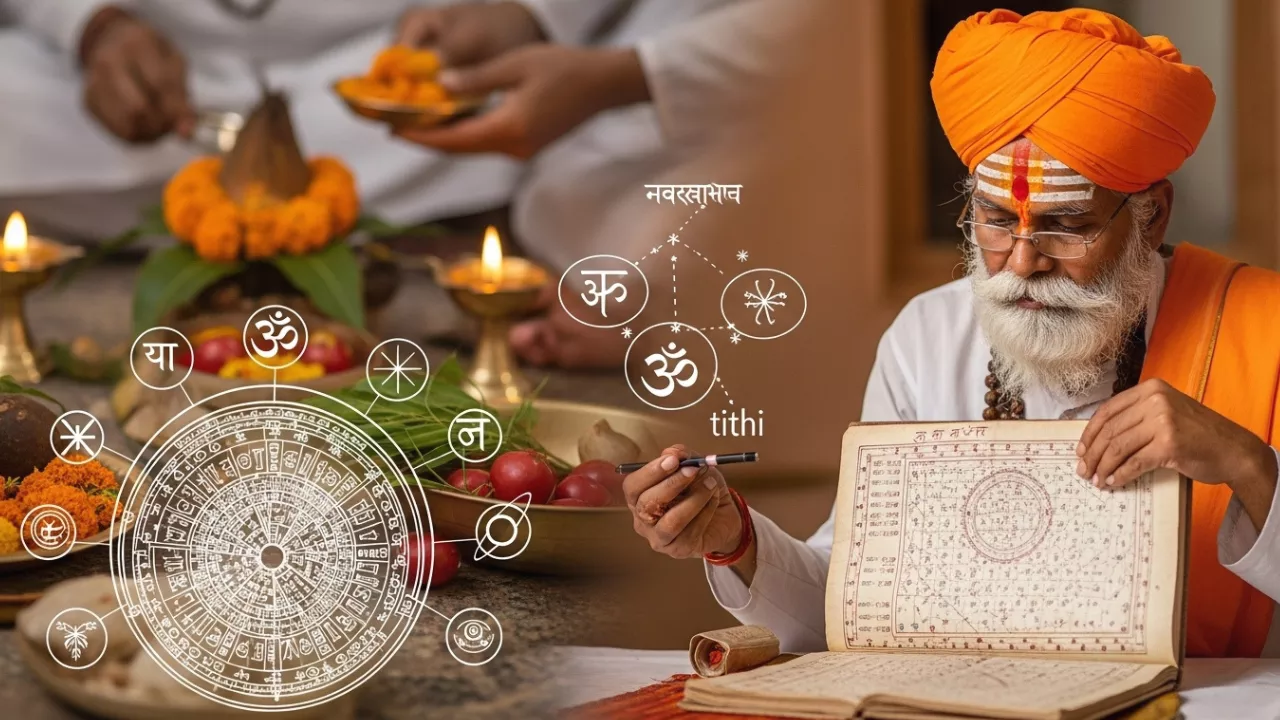
The first aarti of the day, around three to four in the morning — the waking of the deity. Mangala means auspicious. It involves the Vedic recitation, the offerings and the lamps, and it is the one most people who have seen it describe as the thing they came for.
It has to be booked in advance. Space in the sanctum is limited and the timings are subject to change, so confirm both. Turning up is not an option here.
Ganga Aarti
Performed at several ghats, and tied to sunset, so earlier in winter and later in summer.
Dashashwamedh Ghat is the main one — around 7:00 pm from roughly April to October, around 6:00 pm from November to March, running forty-five minutes to an hour. Arrive an hour early for a position on the steps, or take a boat. Our guide to the Dashashwamedh aarti covers it properly.
Assi Ghat has both a morning and an evening aarti. The morning one is part of Subah-e-Banaras, around 5:00 am in summer and 5:30 in winter, with Vedic chanting, yoga and classical music alongside it. The evening aarti is around 6:30 or 7:00 pm. Our note on Assi Ghat covers the ghat itself.
Smaller aartis run at Rajendra Prasad Ghat, Kedar Ghat and Shivala Ghat, at slightly different times.
Ancestral rites
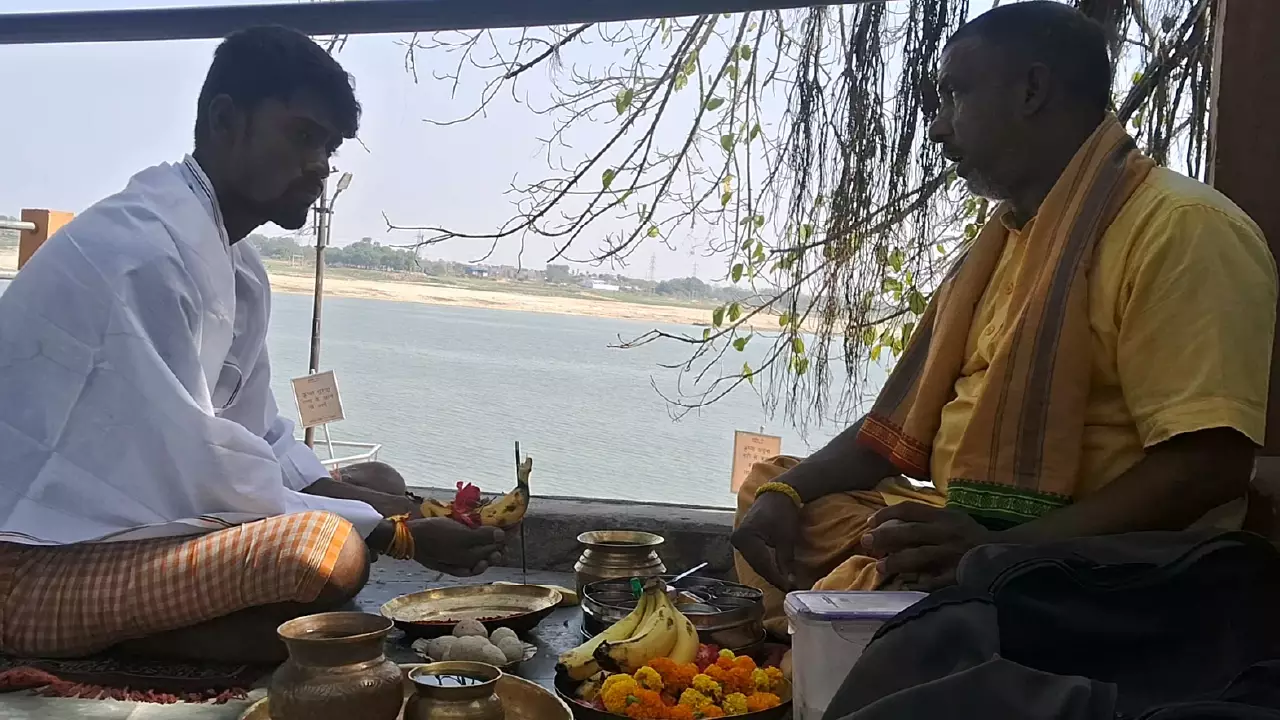
Performed in daylight, generally between seven in the morning and sunset. The muhurat matters here more than for anything else on this page, and it is set from three things: your family’s own tradition, the tithi of the ancestor’s passing, and the panchang.
The periods families ask for:
- Pitru Paksha, the fortnight in September or October given to the ancestors — the strongest window
- Amavasya, each month’s new moon
- The death tithi itself, which is the most important day for that ancestor’s shradh
For Tripindi Shradh — where ancestors died unnaturally or the tithis are unknown — it can be performed on many days, with Panchami, Ashtami, Ekadashi, Trayodashi, Chaturdashi and Amavasya preferred, and Pitru Paksha above all.
Where: the ghats used are Harishchandra, Raj Ghat and Gaya Ghat — also called Narad Ghat — along with Pishach Mochan Kund for Narayan Bali and Tripindi Shradh. Manikarnika is primarily a cremation ghat, with some ancestral rites performed nearby.
| Rite | Price | Where |
|---|---|---|
| Pind Daan in Varanasi | ₹7,100 | The Ganga ghats, on a muhurat set for your family |
| Asthi Visarjan in Varanasi | ₹5,355 | Ghat-side immersion. A second tier at ₹13,125 |
| Tarpan in Varanasi | ₹5,100 | The water offering on its own |
| Shradh at Varanasi (Kashi) | ₹10,999 | The shradh ceremony at the ghats |
| Tripindi Shradh at Varanasi | ₹21,000 | Pishach Mochan Kund |
| Narayan Bali in Varanasi | ₹25,000 | Pishach Mochan Kund |
🙏 Book Pind Daan at Varanasi
- Muhurat set from your ancestor's tithi and the panchang
- Pandit assigned and confirmed before you travel
- Sankalp in your family gotra
- All samagri arranged at the ghat
Temple timings
Kashi Vishwanath is open for darshan from after the Mangala Aarti, around 4:00 am, until late — about 11:00 pm. Through the day there are further aartis and bhog ceremonies: Bhog Aarti around 11:15 am to 12:20 pm, Saptarishi Aarti around 7:00 to 8:15 pm, Shringar Aarti around 9:00 to 10:15 pm. Check the temple’s own schedule, as these move.
The other temples — Annapurna, Sankat Mochan, Kalabhairav, Durga Kund — each keep their own hours, generally opening around five or six in the morning, closing for part of the afternoon, and reopening until eight or nine. Ask locally.
Periods to avoid
- Rahu Kaal — about ninety minutes each day, held to be unfavourable for beginning anything. The timing moves daily.
- Yamagandam — likewise, and also daily.
- Gulika Kaal — opinions vary, but generally treated with caution.
- Particular tithis and nakshatras, depending on what is being done. Amavasya is right for ancestral rites and is usually avoided for an auspicious beginning such as a wedding — the same day, opposite verdicts, which is the clearest illustration of why the rite determines the muhurat and not the other way round.
How the muhurat gets set
For a rite that needs one, the pandit works from the nature of the ceremony, the birth details where they are relevant, the current panchang for Varanasi, and your family’s own practice. That is why we ask for the gotra, the ancestor’s details and the tithi at booking rather than simply taking a date.
Many pandits specialise — Pind Daan is its own field, and so is Narayan Bali. Our note on how the pandit is assigned explains how that works in practice.
Seasonal shift
April to September. Sunrise around 5:00 to 5:30 am, sunset around 6:45 to 7:15 pm. Morning rites start earlier, the evening aarti is later, and the middle of the day is hot enough to shape when anyone wants to be outdoors.
November to March. Sunrise around 6:30 to 7:00 am, sunset around 5:30 to 6:00 pm. Everything moves accordingly, and daytime rites are more comfortable.

At the ghats and temples
- Dress modestly — shoulders and knees covered at temples and for rites.
- Ask before photographing. These are ceremonies, not performances. At the cremation ghats photography is prohibited outright; do not ask there.
- Keep quiet during an aarti or a puja.
- Footwear off before entering a temple, and before stepping onto the ritual platforms at the ghats.
- Settle the dakshina beforehand if you are engaging a pandit, and be courteous about it.
- Expect crowds at the Ganga Aarti. Arrive early and keep an eye on your belongings.
Common questions
What time is the Ganga Aarti at Varanasi?
Around 7:00 pm from April to October and around 6:00 pm from November to March, at Dashashwamedh Ghat, running forty-five minutes to an hour. Confirm on the day.
What is Brahma Muhurta?
The forty-eight minutes beginning about an hour and thirty-six minutes before sunrise — roughly 3:30 to 5:30 am — and the period held most favourable for practice and for the holy dip.
Do ancestral rites need a muhurat?
Yes, and it is set from your family’s tradition, the ancestor’s death tithi and the panchang. It is not something to pick off a schedule.
Can the Mangala Aarti be attended without booking?
No. The sanctum holds limited numbers and it needs booking in advance.
Arranging a rite
Tell us the rite, your gotra, the ancestor’s details and the tithi if you know it, and we will work out the muhurat with the pandit and confirm the date, the ghat and the total before anything is paid.

Book Your Sacred Ritual
Authentic ceremonies performed by Veda-trained pandits at sacred sites across India.



